The Wayfinder
Navigate Travel Like an Expert
Another year, another chance to travel. There’s so much we want to do, and yet, a nap also sounds kind of nice. In 2026, we’re balancing invigorating experiences with a whole lot of nothing.
As you make your travel plans, we encourage you to seek that balance. Who says you can’t see it all and get some rest? With the right destination, you can have it both ways.
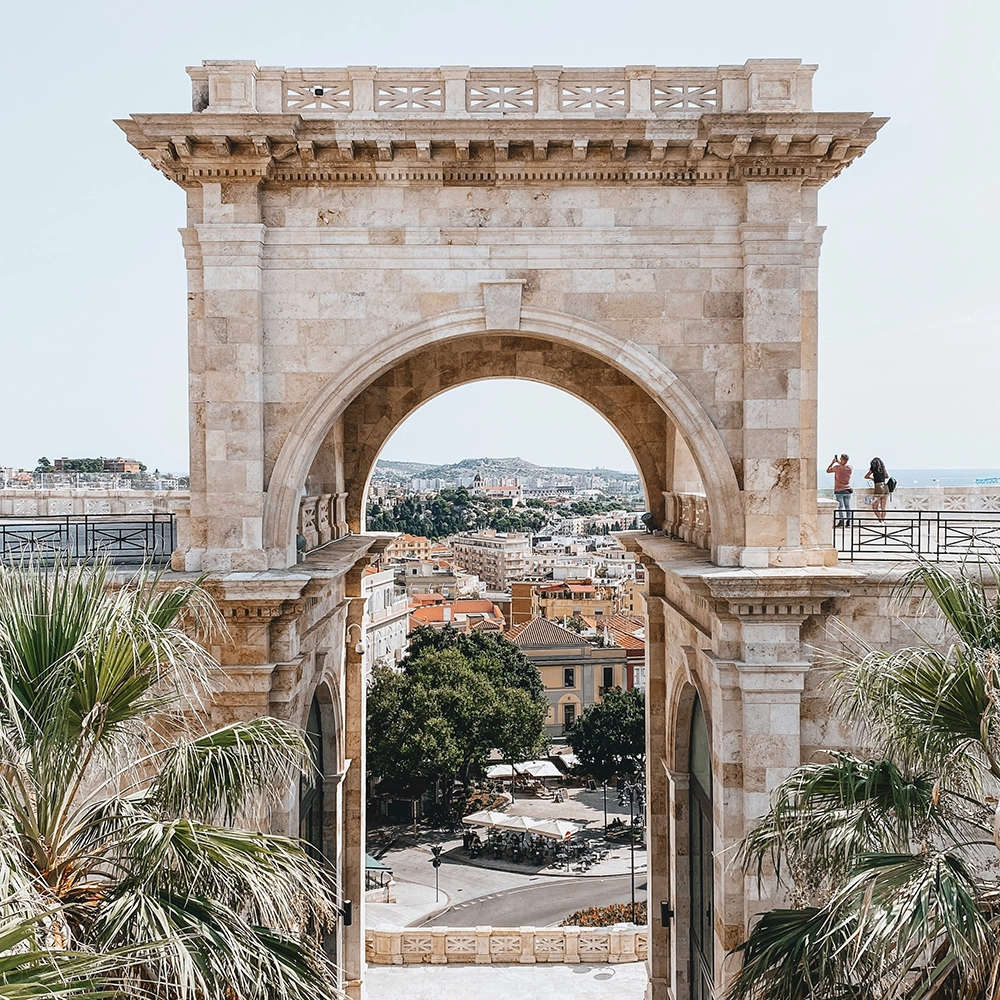
Sardinia is an Italian island in the Mediterranean Sea, second in size only to Sicily. That means it has tons of coastline, but you’ll also find this destination is packed with mountains, history, and plenty to eat.
What to Do in Sardinia: You can’t go to Sardinia without taking advantage of the beach. Enjoy simply hanging out on the sand, or be more active by kayaking or hiking along the coast. There’s no shortage of underwater caves and hidden coves to explore.
Visit Cagliari, the island’s capital city, and make it a point to head for the Castello district. You’ll get incredible views and centuries of history.
What to Eat in Sardinia: Is there ever any doubt that you can eat well in Italy? In Sardinia, pasta is on the menu. The local version of pasta includes malloreddus, which resembles gnocchi. Don’t be surprised to find it served with all sorts of seafood, including cuttlefish. Lobster, tuna, or anchovies are common with meals as are other kinds of meat, particularly pork and lamb.
How to Get to Sardinia: Sardinia has three airports, but you can also fly to mainland Italy and take a ferry from a number of port cities.
Fun Fact: Sardinia is home to three national parks that make up about a quarter of the island. That includes Asinara National Park where you can find a colony of wild albino donkeys.
Cádiz is one of the southern-most cities in Spain, situated along the Atlantic Ocean. It’s part of the Andalucía region steeped in Moorish, Jewish, and Christian history that you can still see in architecture, festivals, and food.
What to Do in Cádiz: As a port city, you’ll want to visit the ocean. Take a stroll (or jog or cycle) along the Campo del Sur promenade and enjoy the views, making a quick stop at a cafe for some people watching.
Flamenco began in Andalucía, so Cádiz is a great place to immerse yourself in music and dance. Either take a class to learn a few steps yourself or claim a seat in a flamenco bar for an evening of unforgettable entertainment.
What to Eat in Cádiz: Control of the city changed hands repeatedly throughout history, and each time it did, the cuisine changed, too. Today, you get a blend of that history. Thanks to Cádiz’s oceanside location, you’ll also get plenty of seafood in the form of fish, prawns, and shrimp prepared multiple ways.
The Mercado Central is an indoor food market that has been serving up delicious food for nearly 200 years. Sample local dishes and sip sherry wine to get a literal taste of Cádiz.
How to Get to Cádiz: If you're flying to Cádiz, there are three major airports in the region: Jerez, Seville, and Malaga. You’ll then need to drive or take a bus or train to reach the city. Cádiz isn’t some backwoods town, though, so each of those options is readily available.
Fun Fact: Weather rarely gets too extreme in Cádiz, making it an ideal destination in nearly every season. Average high temperatures range from the low 60s in January to the mid 80s in August. It’s rare for the lows to get too close to freezing at any time of year.
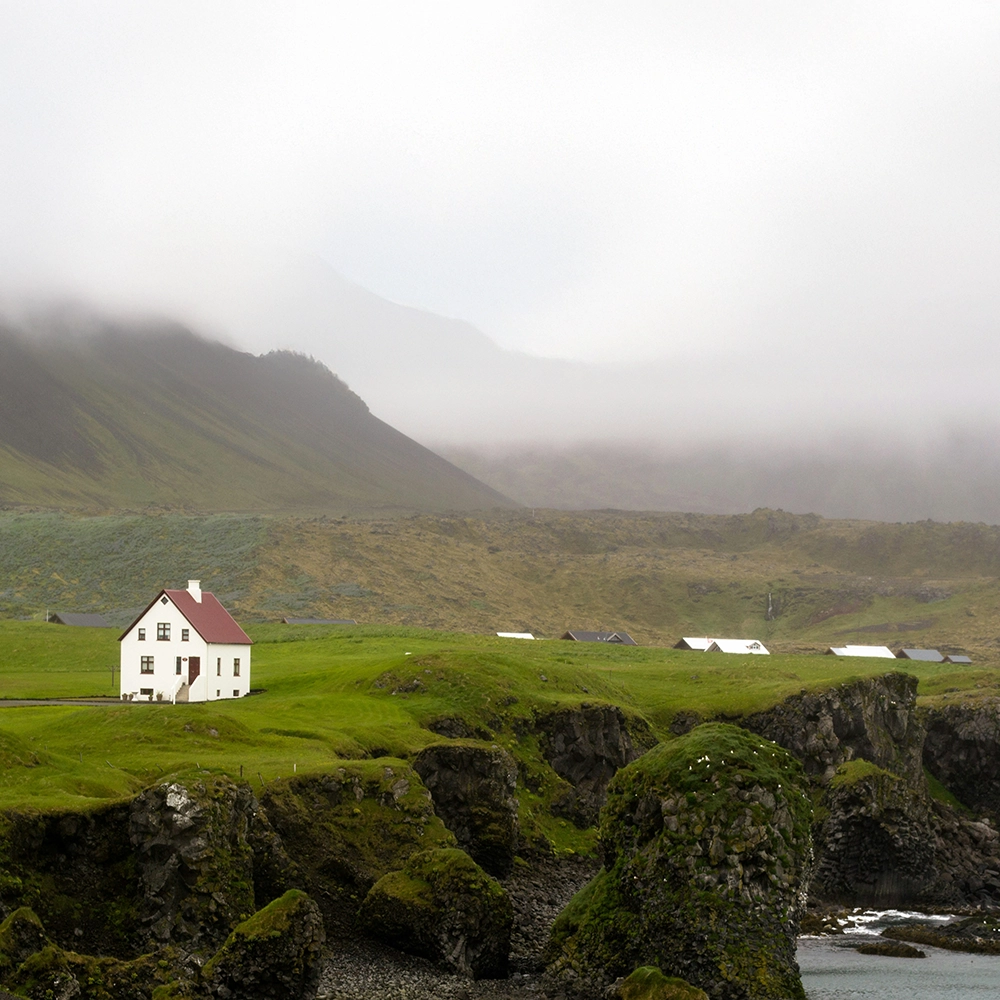
It’s easy to throw the word “epic” around when describing impressive scenery, but the Snæfellsnes (pronounced SNAI-fells-ness) peninsula really takes the term to heart. Located in western Iceland, this region is packed with dramatic mountains, waterfalls, and Snæfellsjökull National Park.
What to Do in Snæfellsnes Peninsula: If you're on Snæfellsnes peninsula in early August, then you have got to plan your trip around the total eclipse. The Snæfellsnes peninsula has been named as one of the best places to see the astrotourism event, with totality happening on Aug. 12, 2026.
No matter when you’re headed in that direction, your trip needs to include a stop at Snæfellsjökull (SNAY-fells-yeh-kohl) National Park with its dormant volcano, which is responsible for the black beaches and lava fields. There are also bird cliffs, glacier hikes, and more. Just remember to put your camera down occasionally and really take it all in with your own eyes.
What to Eat in Snæfellsnes Peninsula: The peninsula is dotted with fishing villages, so you’ll likely find plenty of fresh catch along your route. On the opposite end of that spectrum is fermented shark. It’s popular across Iceland, although I’ve yet to meet a non-Icelander who likes it.
Snæfellsnes is also keen on sustainable farming, so keep your eye out for local agricultural treats at small restaurants. This could be anything from hothouse tomatoes to goat-milk gelato.
How to Get to Snæfellsnes Peninusla: It's not the hardest region to get to, but it’s not the easiest either. Fly into Reykjavik, then rent a car or take a guided tour to Snæfellsnes peninsula. Depending on the weather and the season, it should take less than three hours to drive from Reykjavik. If you have the time — and you should make the time — take a few days to drive the full loop road around the peninsula.
Fun Fact: Snæfellsnes has a guardian spirit, Bárður, who was born to a human mother and a half-troll, half-giant father. He’s considered the peninsula’s protector, and you can visit the massive stone structure erected in his honor.
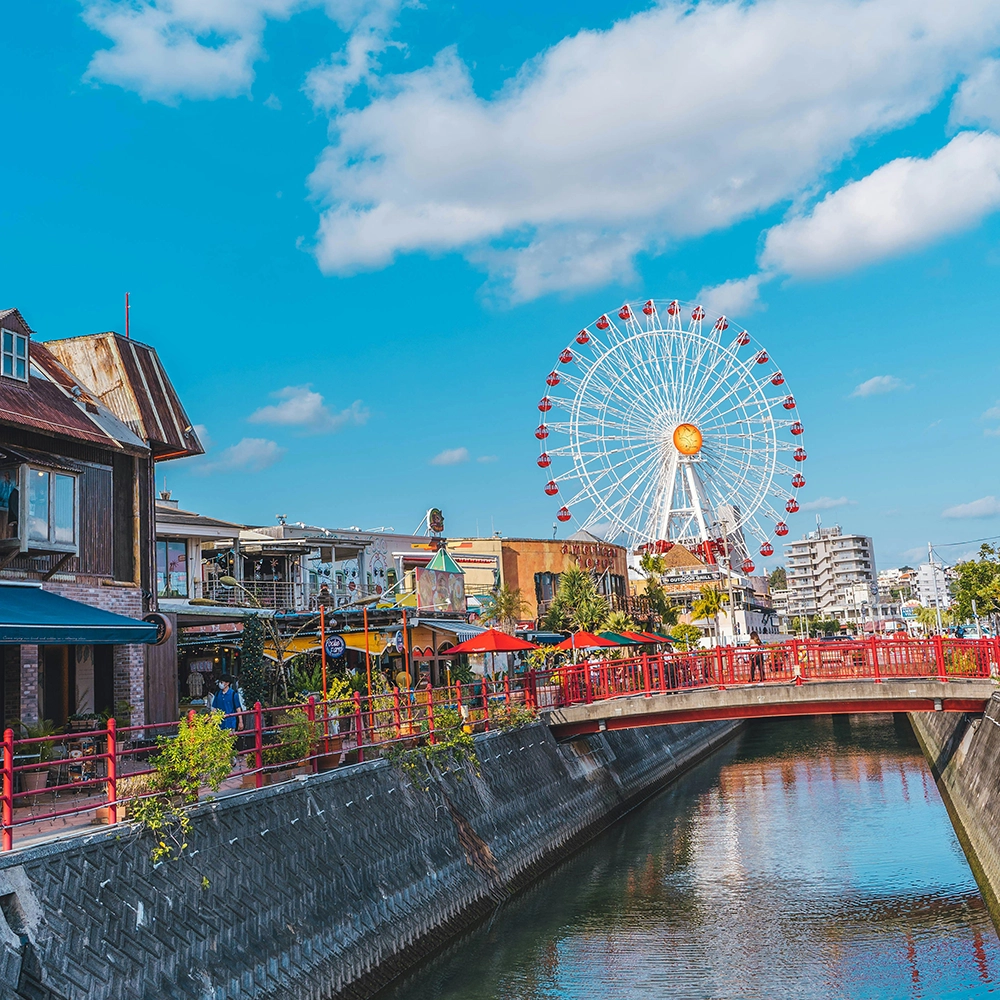
Okinawa Prefecture is made up of many islands, 160 to be exact. It wasn’t officially part of Japan until the late 1800s, giving it a different vibe and culture than much of the rest of the country. From beaches to art to history, there’s something to catch — and keep — your attention in Okinawa.
What to Do in Okinawa: Shujiro Castle was the epicenter of the Ryukyu Kingdom from which all things political and cultural stemmed. It was destroyed in 1945 but has since been rebuilt and has regained its prominence as a must-see for experiencing the history and artistry of the region.
The coral reefs around the islands make for some excellent scuba diving and snorkeling. Be sure to check out Kerama National Park on Takashiki Island for clear waters and sea life like turtles.
What to Eat in Okinawa: Because the climate and history of Okinawa are different from what you’ll find in the rest of Japan, don’t be surprised to see different foods as well. Eating at an izikaya will give you the chance to sample smaller dishes (think Spanish tapas).
Common meals include champuru, or stir fry, and Okinawa soba, which is a ramen-like noodle dish. The toppings will vary but usually include meat such as pork, ginger, and other flavorful add-ins.
How to Get to Okinawa: Fly to the Naha Airport on Okinawa Island. This is where you’ll find the best selection of domestic and international flights as only a few of the other islands have airports. From Okinawa Island, you can explore further afield by ferry.
Fun Fact: Okinawa is considered the birthplace of karate, which is a combination of Ryukyu and Chinese hand-to-hand combat techniques. It didn’t make its way to the rest of Japan and beyond until the early 1900s.
Known as the “Hawaii of Korea” because of its tropical vibes and volcanic beaches, Jeju-Do is a small island you can explore in a day (but you'll want longer to enjoy it all). Highlights include soaking up nature and visiting temples.
What to Do in Jeju-Do: Pay a visit to the haenyeo. These are women, most of whom are over the age of 50, who free dive to collect the seafood that’s so popular. They’ve developed great fame over the years and will put on a “show” a few times a day, showing off their skill and impressive lung capacity.
Hallasan National Park is a must-see, especially for hikers. For a more leisurely experience, consider forest bathing among the pine trees. The park was designated a UNESCO World Heritage site in 2007 and a Biosphere Reserve before that.
What to Eat in Jeju-Do: Abalone and sea urchin are local specialties, as is hairtail fish. It looks a bit eel-like and (in my opinion) best not examined too closely before eating lest you change your mind before you have a chance to try it.
You won’t regret a pork dish, either. Black pork barbecue, pork belly, pork stew, pork in ramen. It’s perhaps the most common meat on the island.
How to Get to Jeju-Do: Flying is the quickest and easiest way to get to Jeju-Do. There are frequent flights from Seoul, and you’ll be there in about an hour. Other cities offer flights as well, and there is a longer ferry from Mokpo.
Fun Fact: Jeju-Do has its own dialect of Korean, which is largely unintelligible to mainland Koreans. Although it’s not widely spoken anymore, there is an ongoing effort to save the language. Many young people speak English, but you may still face some challenges on Jeju-Do if English is your only language.
If you’re into sports tourism, there are few places better than Los Angeles. The City of Angels is one of the host cities for the 2026 FIFA World Cup, but it’s also home to some of the best (or at least most iconic) professional and college teams in the country.
What to Do in L.A.: The World Cup is slated for June 11 through July 19, 2026, and L.A. will host matches during most of that time. Even if you don’t have tickets, it’s worth making a trip just for the atmosphere and multiculturalism. Check out Tehrangeles, Little Tokyo and Little Saigon for starters.
If you’re looking for other sports or can’t swing tickets to the World Cup, don’t fret. The metro area alone has 12 top-tier professional teams. Looking for baseball? You have the defending World Series champs, the Los Angeles Dodgers, and the Angels. Basketball? There are the Lakers, Clippers, and Sparks. Football (American style)? The Rams and the Chargers. Soccer/the other football? Los Angeles FC, Galaxy, and Angel City FC. Ice hockey, yes, even in Southern California? Lace up for the Kings and Ducks. If that’s somehow still not what you’re looking for? Check out any of the nine universities in L.A.
What to Eat in L.A.: The better question might be what not to eat in L.A. This city is jam-packed with every food you could imagine. If you aren’t sure where to start, try some SoCal classics like a French dip sandwich, tacos, or smoked salmon pizza.
How to Get to L.A.: LAX is one of the biggest and busiest airports in the world. You shouldn’t have much trouble finding a flight, no matter where you’re coming from. For less expensive or crowded options, don’t rule out nearby airports like Long Beach Municipal Airport, Bob Hope Airport, or Santa Monica Airport.
Fun Fact: Only one type of palm tree is native to Los Angeles, so most of what you see lining the beach, the streets, outside Dodger Stadium, and everywhere else are actually imported.
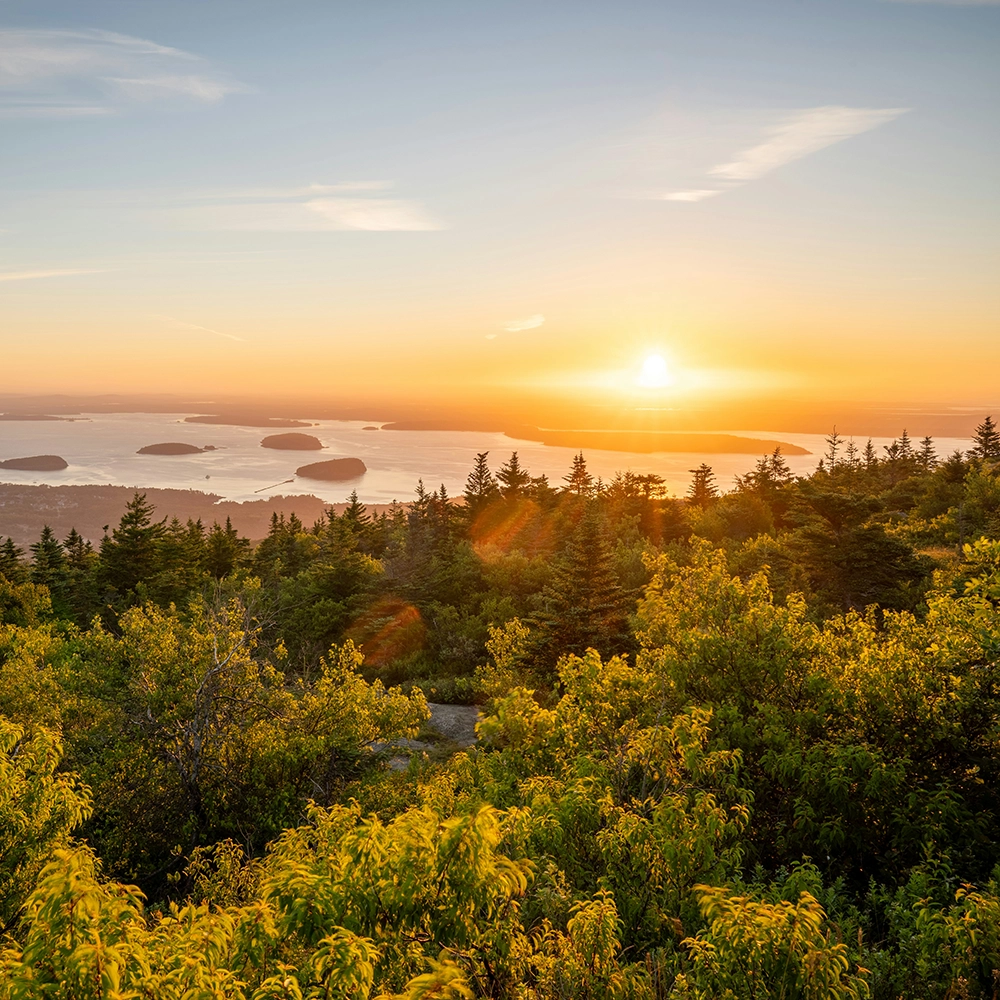
Maine is an outdoorsperson’s paradise. Hike in the mountains to collect incredible forested and oceanside views. Stroll along the beach or kayak the harbors. There’s plenty to do outside to refresh your traveler’s soul, especially in the summer.
What to Do in Bar Harbor: Bar Harbor isn't a huge town. The downtown area is less than a mile long, so you can take this coastal site at a leisurely pace. Enjoy shopping — so many shops with a Maine theme — people-watching, and restaurants. Book a boat tour while you’re on the pier.
Just outside Bar Harbor is Acadia National Park. See it by car, bike, or on your own two feet, but give yourself plenty of time to do it. The park spans more than 49,000 acres. Even if you’re here in the off-season — November through April — you're in luck. Give snowshoeing or cross country skiing a try and see the park like few other visitors do.
What to Eat in Bar Harbor: If you're even a little bit familiar with the Northeast U.S., you know this is lobster roll country. There are lots of takes on the sandwich depending on where you are exactly. The type of bread, whether the lobster is buttery or served with mayo, hot versus cold ... there’s endless debate on what’s “right.” Now’s your chance to do some, ahem, research.
Maine is also the world’s largest producer of blueberries. Whether you’re getting a full breakfast or a quick snack at a bakery, don’t pass on blueberry baked goods or anything with a local blueberry jam.
How to Get to Bar Harbor: Bar Harbor Airport is small, and you can find some local flights, including to and from Boston. Other options include flying to Bangor National Airport (50 miles from Bar Harbor), Portland International Airport (175 miles from Bar Harbor) or Boston Logan International Airport (280 miles from Bar Harbor) and driving the rest of the way. There are buses from the airports to Bar Harbor, but you’ll probably want your own car to get around.
Fun Fact: Bar Harbor is a popular port of call for many New England cruises. These cruises often start in New York and Boston before heading north through Maine and up into Canada.
Vancouver is the trendy spot in British Columbia and for good reason thanks to its wealth of hiking and skiing areas, park land, and eateries and breweries. But just across the Strait of Georgia in western Vancouver Island is Ucluelet (pronounced Yew-kloo-let), equally rich in natural beauty and Native history but without the masses of people.
What to Do in Ucluelet: You don't have to choose between rainforests and beaches out here in Ucluelet. Walk the 5.5-mile Wild Pacific Trail in town either on your own or with a guided naturalist tour. There are interpretive signs along the trail helping you to fully grasp what makes this mix of ecosystems and the wildlife that call it home so special.
Head just outside the town limits to the Pacific Rim National Park Reserve. The Long Beach section of the reserve is particularly well-known for storm watching, while the Broken Group Islands, accessible only by boat, is great for kayaking or canoeing through sheltered bays.
What to Eat in Ucluelet: British Columbia is known for its smoked Pacific salmon and chowders with locally sourced seafood. Especially along the coast, you’ll find plenty of spot prawns and Dungeness crab. Also keep your eye out for smoked kelp and foraged plants like fiddleheads and huckleberries.
How to Get to Ucluelet: The best way to get to Ucluelet is by air. Fly from Vancouver to Tofino Airport, then use a car or public transit to get around the island. You can also take a ferry from Vancouver. It takes longer but is certainly the more scenic route.
Fun Fact: The name Ucluelet comes from the Nuu-chach-nulth word, Yuułuʔił, meaning “people of the safe harbor.” By visiting the area, you are in the Territory of the Ucluelet First Nation. Be sure to take time to learn about and show respect for the people who have lived and cared for the region throughout time.
If you’ve kept your eyes open lately, you know Thailand is one of the best destinations for digital nomads and budget travelers. It’s also ideal if you want a little fun and sun, some nightlife, and some relaxation, all rolled into one.
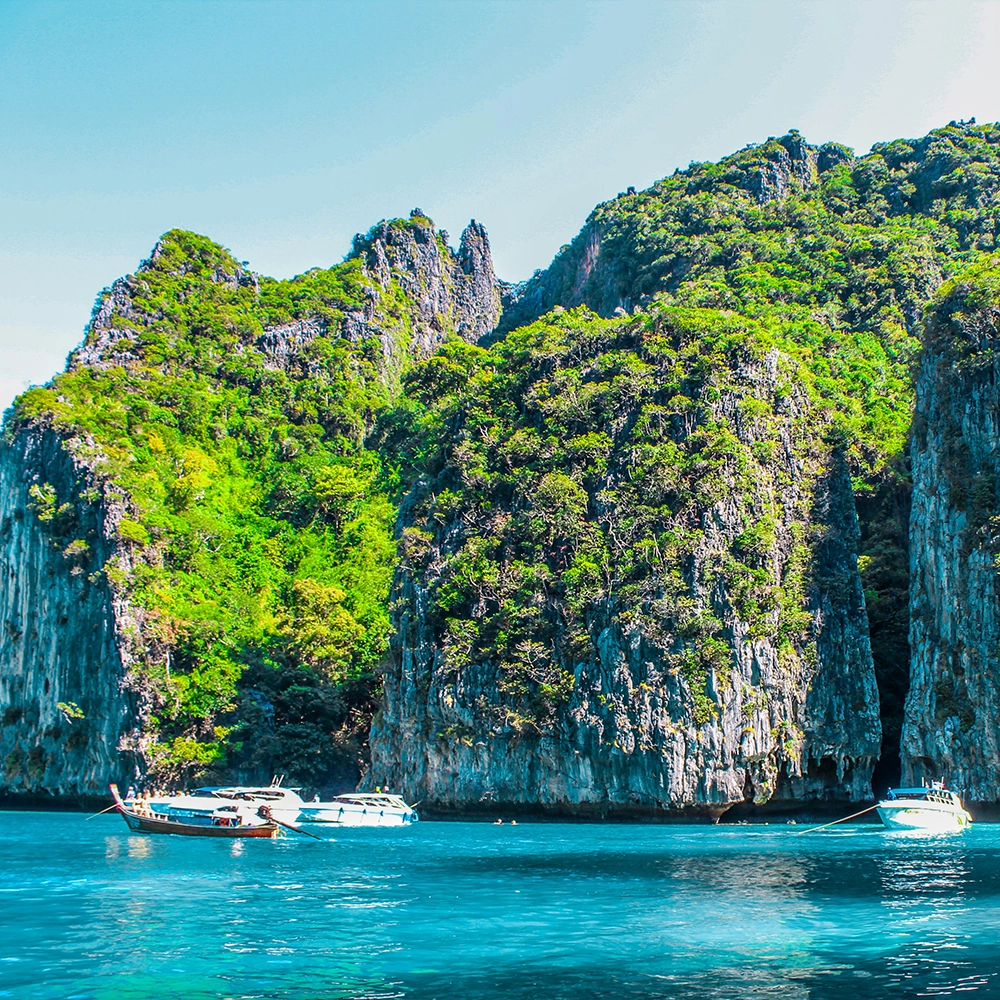
What to Do in Phuket: Start your trip in the water. Try sailing, surfing, diving, or sea canoeing from the beaches of Phuket. It’s also the perfect place to launch a day of island-hopping exploration. An outing to Phang Nga Bay, AKA James Bond Island, is always popular.
Visit Phuket Old Town for vibrantly colorful architecture and art with Sino-Portuguese influences. The area is also packed with restaurants, so be sure to come hungry. A food tour might be the best way to test it all out.
What to Eat in Phuket: That no one can agree on what the “best” or “most famous” dish of Phuket is — Maybe moo hong? Mee sapam? — is a good sign that your tastebuds are in for a treat. Pork and pineapple curry, mee haeng (a pork noodle dish), and kaffee boran (coffee roasted in fat) are good places to start.
How to Get to Phuket: Phuket is large enough and popular enough with tourists, you shouldn’t have much trouble finding your way there. Phuket International Airport regularly handles domestic and international flights.
Fun Fact: The Phuket Vegetarian Festival is a massive event each October honoring the Nine Emperor Gods according to Taoist tradition. Among the events, which include firewalking ceremonies, are vegetarian food stalls serving creative meat-free dishes.
The Spanish called it Quetzaltenango. The Mayas call it Xela (pronounced SHAY-la). This Guatemalan city — the second-largest in the country — has two names and enough personality for both.
What to Do in Xela: Because it’s farther off the beaten path than hot spots like Guatemala City and Antigua, you get much of the same flavor with fewer touristy vibes. Take your time exploring the mercado, colonial churches, and cemeteries, especially if you’re in town around Día de los Muertos.
The terrain is a result of the area’s many volcanoes, which make for some great hiking. When you’re ready to stretch your legs and see how far the eye can see, head to the top of Cerro Quemado. Some of the volcanoes can be quite steep and difficult, making it a smart decision to book a guided hiking tour if you want to reach the summit.
What to Eat in Xela: Street food is a cheap and tasty way to fuel your body for all the hiking and exploring in Xela. Pupusas, which are pockets of a maize dough typically with meat and cheese, and churrasco, which is a type of BBQ, are good options. Especially when eating from food stalls, stick to dishes that are thoroughly cooked to help avoid the dreaded traveler’s tummy.
How to Get to Xela: Xela is a bit out of the way, so you’ll need to make your way to Guatemala City, Antigua, or Lake Atitlán first. From Guatemala City, you can get a public bus. It’s a 4- to 5-hour drive. From Antigua or Lake Atitlán, choose from tourist shuttles or local buses, which are usually converted U.S. school buses. The shuttles are a bit more expensive but more reliable and safer.
Fun Fact: Xela sits at an elevation of about 7,500 feet. Prepare yourself. You might find it harder to breathe on hikes, and it will get cooler than in other, lower cities in Guatemala. Average high temperatures are about 70 degrees year-round, while lows fluctuate between 40 and 50 degrees.
Finding the time to visit all these amazing destinations might be your biggest challenge. Finding travel insurance to protect your trips shouldn’t be.
Visit SevenCorners.com to find the right coverage for your money, health, and belongings. We offer a variety of plans to meet almost any need, including single-trip and annual plans. Our licensed agents are also ready to answer any questions so you’re ready when trip happens.
This website and various social media updates provided by Seven Corners contain content, information, articles, videos, and links to websites created by third parties. Seven Corners, its owners, and its employees neither endorse nor are responsible for the accuracy, timeliness, or reliability of any third-party information, statements, opinions, or advice and are not liable for any loss, harm, or damage caused by your reliance upon them. Use of such information or the linked websites is entirely at your risk. Concerns regarding this third-party content should be directed to the third party. Seek professional advice, as appropriate, regarding your use of such information and websites.
Because the information on this website and in Seven Corners’ blogs and other social media is written and compiled using knowledge and information available at a certain point in time, it may become outdated. For that reason, information, events, legal requirements, and product changes (including benefits, limitations, exclusions, and services) may not be up-to-date, complete, or accurate at the point in time it is being read. Again, use of such information is at your risk.