The Wayfinder
Navigate Travel Like an Expert
How adventurous are you? Let’s take a quick quiz to find out. Give yourself a point each time you answer “yes.”
If you scored anywhere between one and five points, you’re adventurous!
And if you’re thinking, “Riding a motorcycle taxi? Really?” then allow us to explain. Some of the key takeaways you'll find here include:
Let’s get going!
Adventure travel is usually defined as tourism that includes physically demanding or extreme activities. It often, although not always, takes place at destinations that are off the beaten path. You don’t typically go rafting in a major metropolis, for example.
Adventure tourism could also be a foodie tour where you sample dishes like sheep eyes and tripe. If it gets you out of your comfort zone, we’d call that an adventure.
Some physical, or “hard,” types of adventure travel include:
Other types of adventure travel that are less about testing your physical limits, sometimes called soft adventure, could include:
These examples may or may not fall into the “adventure” category of your travel insurance plan. Make sure you understand your plan before departure, so you’ll know what’s covered and what’s excluded.
Travel insurance providers have a different threshold for risk than the average person (it’s a side effect of the job), and so we define adventure activities differently.
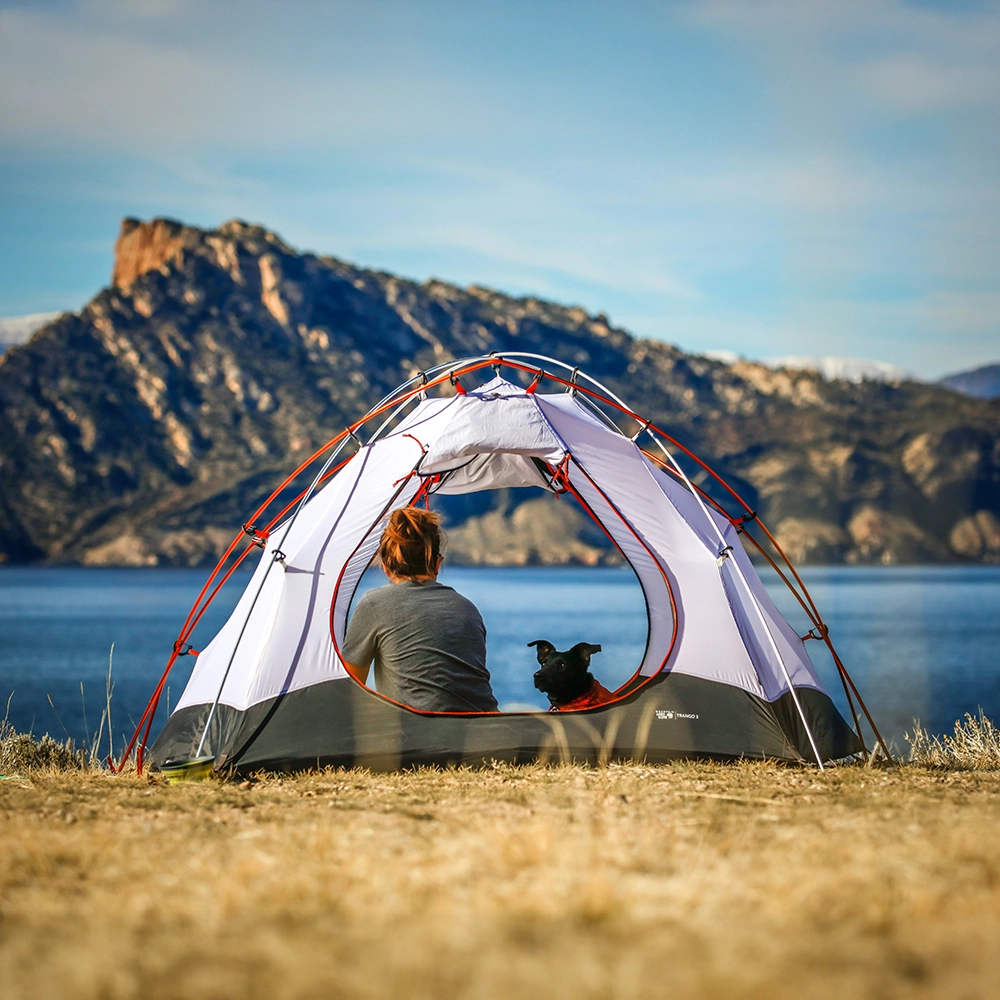
Although the exact definition of an adventure activity can vary from one travel insurance plan to the next, it’s safe to say that the idea of “extreme” is somewhat conservative. What you may consider fairly tame, like camping, could fall under the adventure activities clause of a travel insurance plan.
If your itinerary includes anything you would consider active, and not just adventurous, then it’s a good idea to read through the travel insurance plan document or talk to a licensed agent. The plan document will provide a list of which adventure activities are covered if you suffer an injury or illness as a result of participating in it.
In most cases, travel insurance covers your favorite adventure trips. Just pay attention to the specifics of the medical benefits.
Some travel medical insurance plans offer an optional add-on benefit for adventure activities. This means your medical bills could still be covered if you get hurt doing one of the activities listed in the plan document as an “adventure activity.” However, without that added benefit, you would be left paying for medical treatment out of your own pocket.
Here’s a hypothetical example:
Let’s say you dislocate your shoulder while water skiing in New Zealand and require a trip to the hospital. You purchased Seven Corners Travel Medical Insurance before your trip, but you did not add the Adventure Activities optional coverage. Because you were participating in an activity excluded from the base plan, your medical treatment related to the water skiing accident would not be paid for through your travel insurance.
Let’s look at another example:
While in Thailand, you take a motorcycle taxi from your hotel to a restaurant. Unfortunately, you’re struck by a car. You’re mostly OK, but your friends want to make sure you don’t have a concussion. (This isn’t a horror story.) Because you bought Seven Corners Travel Medical Insurance with additional Adventure Activities coverage, you can use your travel insurance at the Thai hospital.
Most people don’t consider riding motorcycle taxis, mopeds, and scooters as extreme activities, especially in a country like Thailand where it’s a common mode of transportation. But for travel insurance purposes, those methods of transport are typically considered “Adventure Activities” and require additional coverage.
Seven Corners customer Paulo made good use of his coverage when he crashed his motorbike while traveling in Tajikistan. His injuries were so severe that the local hospital was unable to treat him, but Seven Corners arranged an emergency medical evacuation to the United Arab Emirates and paid his medical bills.
The motorcycle taxi example is a prime example of why it’s so important to understand your travel insurance plan before you leave home. We know many of those details don’t seem obvious, and you wouldn’t even think to ask about them.
That’s where our licensed agents come into play. They’re trained to know our plans inside and out and can give you helpful advice about what coverage you need.
Many of the same principles of "regular” trip planning also apply to planning an adventure trip. You have to figure out where to go, who you’re going with or if you’ll travel solo, what your budget is, and so on.
When it comes to planning a safe adventure trip, you’ll want to take these three extra steps.
Adventure does not automatically mean danger. It’s just a matter of striking the right balance between adrenaline and risk. So while you don’t have to swap skydiving for forest bathing, you could find a compromise between solo hiking and a guided backpacking trip.
If you’re new to the activity, traveling solo (and, therefore, don’t have the safety net of a travel buddy), or the activity is high risk, consider booking a package with one of the many adventure travel companies out there.
Adventure travel companies bring a level of expertise that can make your trip safer. They’ll know the best places to practice the activity, have higher levels of experience and skill, and offer critical support if something goes wrong.
Plus, they have the added benefit of making travel planning easier. They’ll not only arrange the excursions, but they might also be able to obtain necessary permits and book lodging and transportation for you.
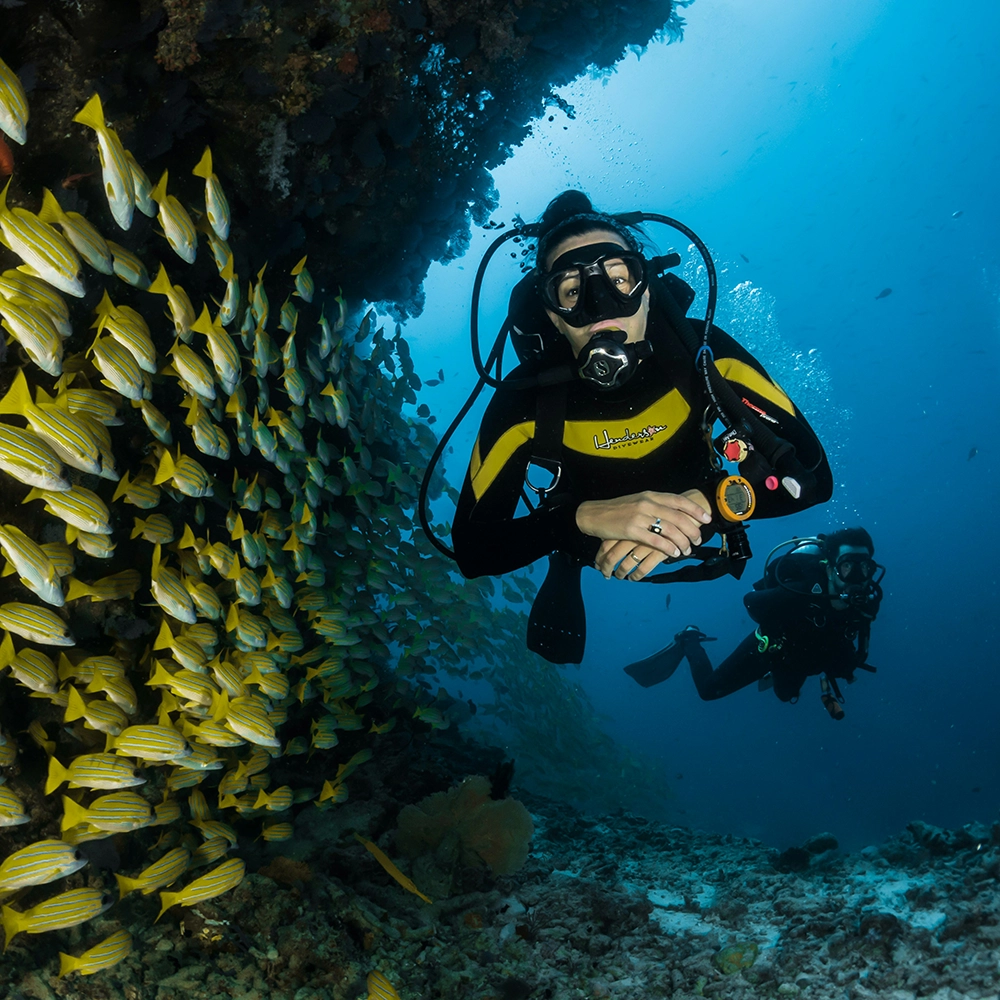
Regardless of whether you book a packaged tour or choose self-directed travel, it’s vital that you are aware of the risks inherent in your activities. For example, if I want to go scuba diving, I might identify changing ocean conditions, hypothermia, equipment malfunction, and sharks as potential risks. If I’m going mountain biking, the risks will be different.
Once you know the common hazards, you’ll know how to prepare for them. Here are a few ideas:
Now that you have a good strategy for your trip, it’s time to get that travel insurance. Talk to an agent and visit SevenCorners.com to learn more about keeping yourself safe on your next adventure.
This website and various social media updates provided by Seven Corners contain content, information, articles, videos, and links to websites created by third parties. Seven Corners, its owners, and its employees neither endorse nor are responsible for the accuracy, timeliness, or reliability of any third-party information, statements, opinions, or advice and are not liable for any loss, harm, or damage caused by your reliance upon them. Use of such information or the linked websites is entirely at your risk. Concerns regarding this third-party content should be directed to the third party. Seek professional advice, as appropriate, regarding your use of such information and websites.
Because the information on this website and in Seven Corners’ blogs and other social media is written and compiled using knowledge and information available at a certain point in time, it may become outdated. For that reason, information, events, legal requirements, and product changes (including benefits, limitations, exclusions, and services) may not be up-to-date, complete, or accurate at the point in time it is being read. Again, use of such information is at your risk.