The Wayfinder
Navigate Travel Like an Expert
Baby boomers are continually proving that age is a state of mind. They fully intend on living life to the fullest and doing it on their own terms.
Born between 1946 and 1964, the “gray tsunami” generation that defined itself by breaking convention is now redefining the art of travel. Rather than slowing down, they’re hitting the road in search of more: more experiences and more time with the people who matter most to them.
So what does 2026 travel look like in your “golden years”?
Regardless of generation, travelers in 2026 are looking for their travel to serve a purpose or have personal meaning. They want to form meaningful connections with other people, whether that’s family and friends or people they’ve yet to meet. They want to gain deeper understanding, either about themselves or the places they explore. They want to give something back to themselves. And in a half-decade that has frequently felt chaotic, the thing we’re often giving ourselves is space to breathe.
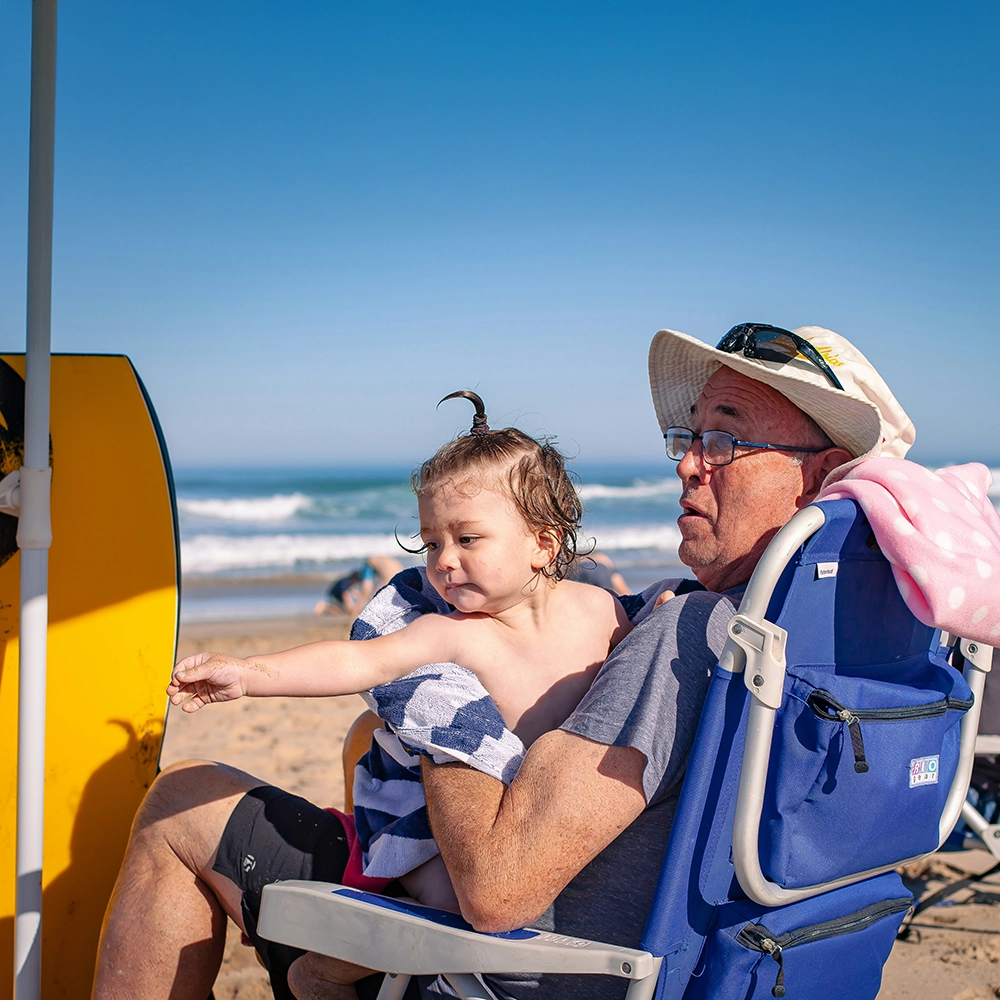
The older generations really aren’t too different than their younger counterparts in this regard. When it comes to baby boomer travel behavior and spending, it’s still about embracing the full, authentic culture of their destination and doing so with immersive experiences. Baby boomers want to connect with family, either by treating their adult children to a big trip or opting for a skip-generation vacation and taking their grandkids, one-on-one.
And of course, they have to figure out how to pull it off on their budget. This is a generation that has worked hard for its money and feels they’ve earned their moment of comfort. But at the same time, many baby boomers are on a fixed income. Striking a balance between luxury and cost-consciousness is the challenge.
You planned to retire in 2027 ... which then became 2030 ... and then you started asking yourself, “What am I waiting for?” Instead of waiting to take that one giant bucket list trip after retirement, more and more baby boomers are opting for a mid-career break to travel.
Explore Worldwide calls it micro-dosing (not that kind of micro-dosing) your retirement trip. This “seize the day” mentality means breaking the once-in-a-lifetime trip into smaller chunks and taking your adventures before it’s too late for you to fully enjoy them.
While there is no single right way to micro-dose your retirement vacation, here are some popular options in 2026. Be sure to make the younger generations cringe by yelling “YOLO!” as you take off.
Cultural immersion travel, sometimes called experiential travel, is a type of tourism where visitors prioritize fully experiencing a destination by engaging with local customs, culture, and cuisine. With immersive travel, we seek authenticity, novelty, and human connection.
For baby boomers, this often takes the form of hands-on learning experiences. While we still see bus tours catering to older travelers — the reality that many of this generation are challenged by mobility, hearing, and vision impairments keeps this style of travel in demand — there are more choices for diving into a destination now than ever before.
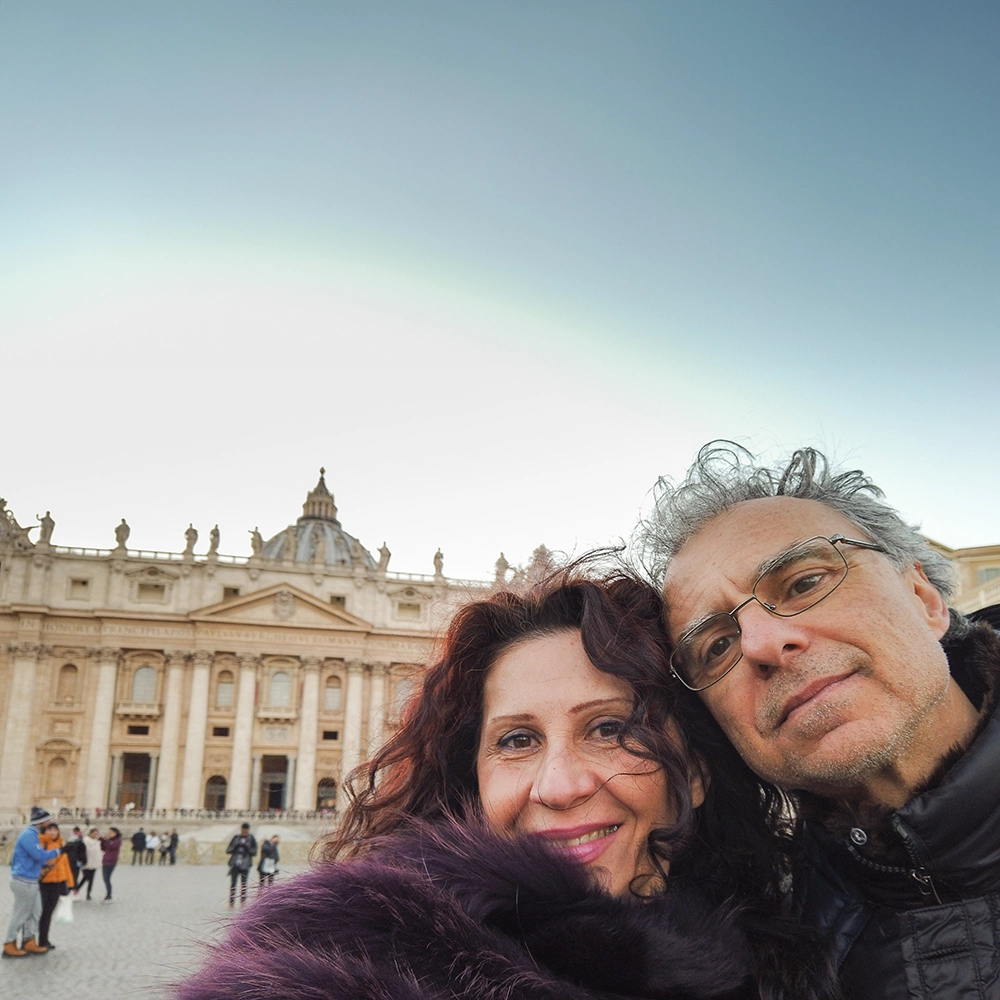
Many baby boomers are booking smaller, niche tours led by local experts. This is why we’ve seen the rise of excursions offering everything like historian-hosted tours of Quebec, culinary tours in Italy, guided bicycle trips through Vienna, and, another top travel trend for 2026, literary and book-centric tours.
Finding the right tour company is frequently the key to a golden travel experience. Some of the best tours for older travelers balance active experiences with a more relaxed pace.
If you’re thinking of retiring abroad, your pre-retirement trips could be used to test out some destinations. It would be awful to put all your life’s energy and money into retiring in Panama only to find out after you’ve bought a house there that you can’t stand the humidity.
Give the expat life a trial run and work out the kinks before you have to fully commit.
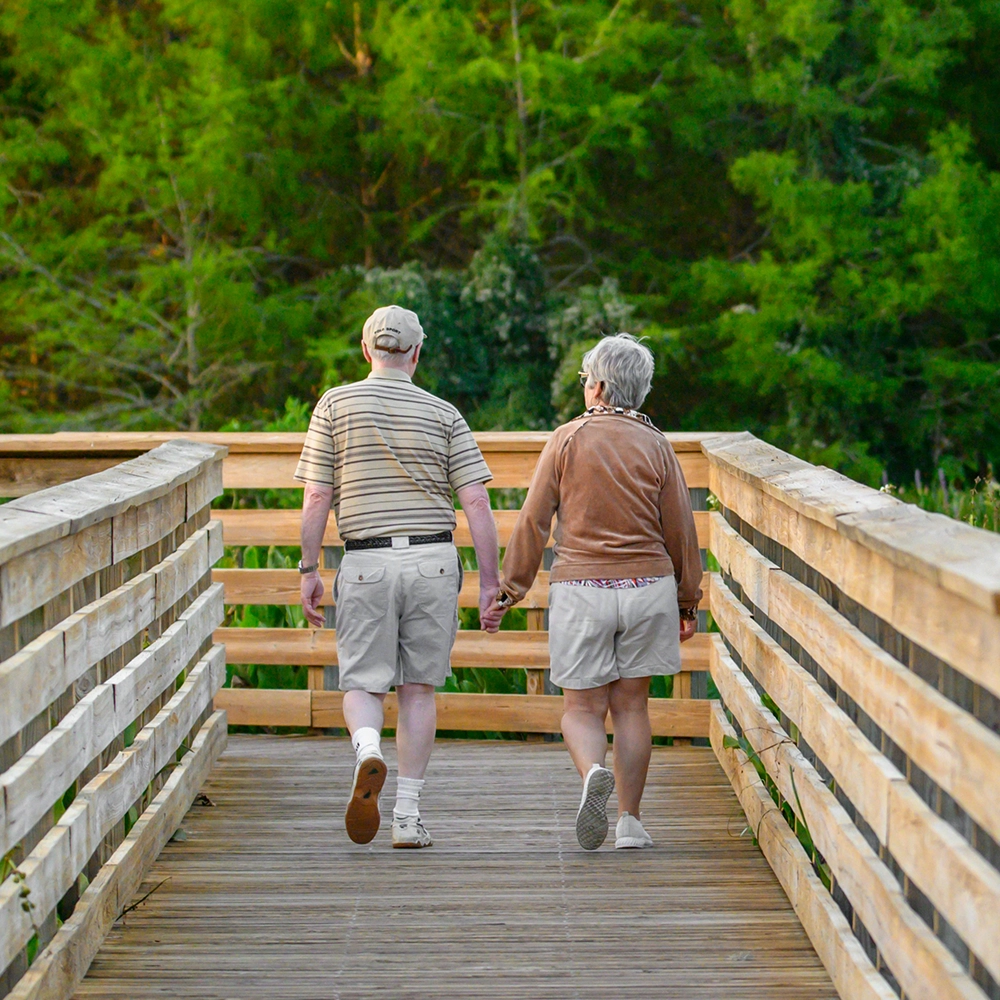
Slow travel goes against the instinct to get to your destination as quickly as you can and see as much as you can so you can move to the next destination and repeat. More people, including baby boomers, are adopting slow travel in an effort to be fully present in their travel experiences.
By slowing down, you have a great opportunity to immerse yourself in your destination. Some say they’re able to live more like locals when they adopt a single site as their home base, then explore more leisurely from there. You have more time to notice what’s around you, meet people, and reflect and understand what you experience.
There are many ways to slow travel, including:
Train travel has been enjoying renewed interest in recent years in part because it can be more environmentally friendly than some other modes of transportation. You can expect 2026 to be a big year for trains, especially among baby boomers looking for luxurious travel experiences.
Traveling by train doesn’t just help you get from Point A to Point B. The ride itself is often a major reason for the trip. Sleeper berths are making a comeback — the Blue Jasmine, with restored 1960s sleeper cars, debuted in Thailand in November 2025 — and more companies are bringing world-class dining to the rails.
Train journeys you might want to add to your travel bucket list include:
Immersing yourself in travel sounds fantastic, but it does come with a price tag. The cost of travel, like many other things, has been increasing with each passing year.
AARP surveys travelers aged 50 and older annually about their plans for the upcoming year, including some of the barriers to travel they expect to face. Cost was the biggest reason people planned to reduce or avoid travel in both 2024 (51% of respondents) and 2025 (45%).
Survey respondents also said they expected to spend more than $6,800 on travel in 2025. Millennials, by contrast, averaged about $4,000 per trip in 2025.
This mirrors what we see at Seven Corners. Customers in the baby boomer generation habitually spend more on travel insurance than other generations in part because higher trip costs mean higher premiums for trip protection plans.
If these two things — avoiding travel because it’s expensive and yet embracing luxury travel — seems contradictory, they are. But what we see in baby boomer travel trends is a story of two extremes.
Those who can afford luxury continue to travel and are comfortable paying more to do so. Those who are on a more fixed income, however, are being more frugal. Travelers in this group are pulling back on the frequency or extravagance of their trips or forgoing them altogether.
A good budget is a valuable tool for any traveler. Try these money tips for traveling in retirement.
Consider ways to make money on the road if you’re concerned about bankrolling your travels.
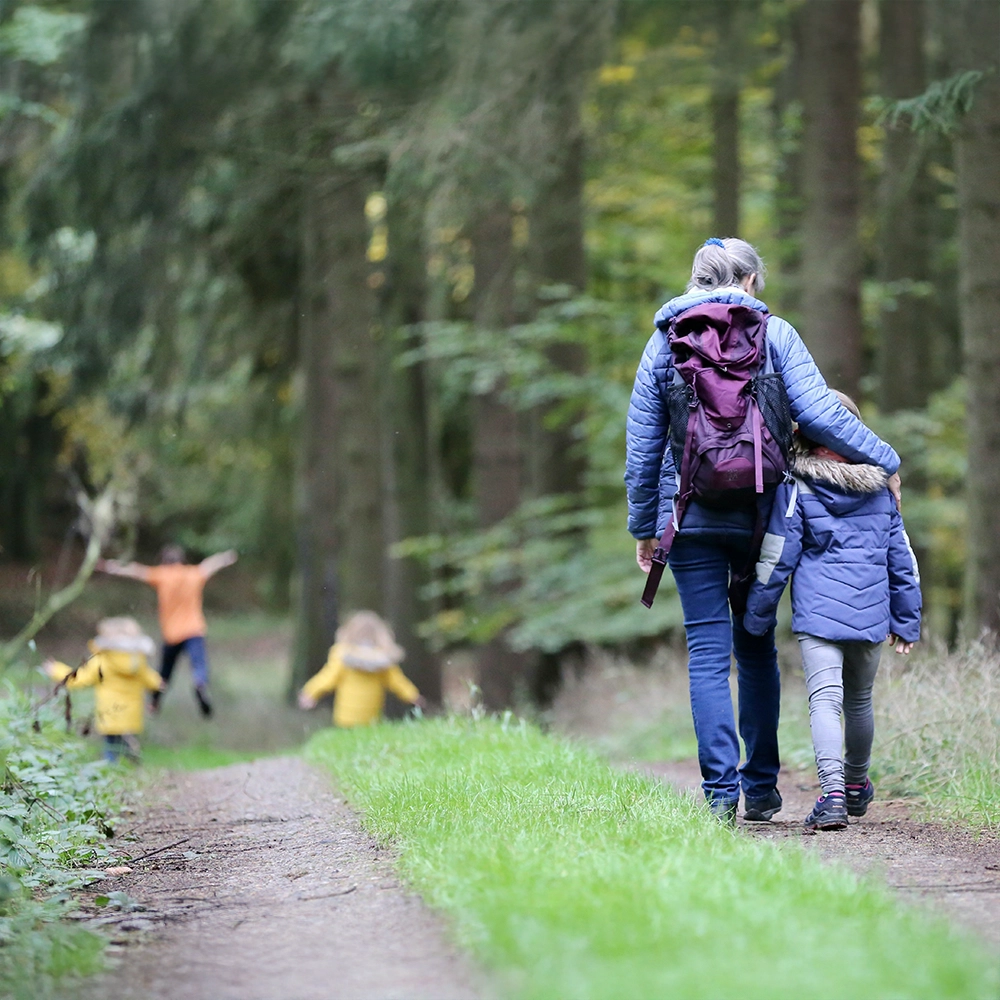
Family vacations never go out of style, but they do start to look different when baby boomers take the lead on planning. What we’ll likely see in 2026 is more baby boomer parents taking their adult children with them when they travel.
Explore Worldwide is calling this Family Adventures 2.0. “With many young adults with their 20s still living in their parents or returning home after university, and often unable to fund big trips independently, parents in their 50s and 60s are inviting their grown-up children along on adventures,” writes the tour company.
Hilton’s 2026 travel trends study found that 53% of adults traveling with their kids say that at least one of those kids is of adult age. What’s more, 44% of those parents surveyed said that they were paying for the entire trip, even if their kids were adults themselves.
The point to focus on here is that baby boomers see travel as key to connecting with loved ones. Cost takes a back seat to spending quality time together.
Baby boomers who aren’t vacationing with their families still seek community when they travel. In a nod to social wellness, older travelers are leaning into those immersive experiences that put them face-to-face with other people.
Homestays, culture-based classes, and themed tours that connect them with other travelers who have similar interests make it easier for them to make friends on the road. For those who travel to combat loneliness and isolation, that’s often more important than the destination itself.
The best vacation destination for seniors is going to depend on the type of experience you’re seeking and the budget you have.
The best trips for seniors offer a wide range of activity (and inactivity), so the best travel insurance for seniors should offer a wide range of benefits. Look for plans with trip cancellation, lost baggage protection, medical coverage, emergency medical evacuation, and more. Especially if you choose to go overseas, you need to safeguard your health while traveling.
Seven Corners Trip Protection plans offer benefits for trip cancellation, interruption, and delay. They also provide medical coverage for illnesses and injuries that occur during your trip. Most Seven Corners plans have coverage for pre-existing conditions.
Cancel for Any Reason coverage, an optional benefit you may be able to add to your Trip Protection plan, became increasingly popular during the COVID pandemic. That popularity remains high because of the increased flexibility it offers travelers, including baby boomers, during uncertain times.
Seniors who travel frequently should also consider Seven Corners Trip Protection Annual Multi-Trip. It includes many of the same benefits you want in a trip protection plan with the advantage of only needing to purchase coverage one time.
With our annual travel insurance, one plan offers protection for as many trips as you take during the course of that year. Whether your trips are planned well in advance or spontaneously, regardless of whether you travel two times or 20, Seven Corners Trip Protection Annual Multi-Trip has you covered.
Contact us for a quote and to learn more about our travel insurance options.
This website and various social media updates provided by Seven Corners contain content, information, articles, videos, and links to websites created by third parties. Seven Corners, its owners, and its employees neither endorse nor are responsible for the accuracy, timeliness, or reliability of any third-party information, statements, opinions, or advice and are not liable for any loss, harm, or damage caused by your reliance upon them. Use of such information or the linked websites is entirely at your risk. Concerns regarding this third-party content should be directed to the third party. Seek professional advice, as appropriate, regarding your use of such information and websites.
Because the information on this website and in Seven Corners’ blogs and other social media is written and compiled using knowledge and information available at a certain point in time, it may become outdated. For that reason, information, events, legal requirements, and product changes (including benefits, limitations, exclusions, and services) may not be up-to-date, complete, or accurate at the point in time it is being read. Again, use of such information is at your risk.