The Wayfinder
Navigate Travel Like an Expert
Imagine waking up in a world with no notifications. There are no questions, no demands, nowhere to be at all. You are completely unavailable, which, ironically, makes you completely available to whatever magic the day ahead might hold.
Sound like a dream? It does for many, contributing to the recent rise of tech-free travel. You don't even have to be hyper-connected or tech-obsessed to feel the pull of a no-internet vacation. Most of us spend around seven hours a day looking at screens, with a good chunk of that on social media alone. It's linked to worse sleep, more stress, and eye strain, and the effects are even stronger in teens and kids.
If that strain is feeling extra heavy these days, a technology-free vacation might be exactly what you need. There are two main ways to do it: off-grid travel and digital detox vacations. Here's how each works, where to go, and what to know about travel insurance before you disconnect.
Off-grid travel means fully disconnecting with no phone, no laptop, sometimes no electricity at all. Think backcountry hiking, hut-to-hut trekking, or camping somewhere Wi-Fi simply doesn't reach.
Digital detox vacations are a lighter touch. You're not necessarily leaving civilization, but you're setting real boundaries: staying off social media, skipping email, or using your phone only for photos and directions.
Both are becoming a popular form of alternative travel, and both can pair well with slow travel — staying in one place longer instead of packing your itinerary with sightseeing. The less you're rushing to the next stop, the easier it is to actually put the phone down.
A few things tend to happen when you limit your screen time on vacation:
You get mental clarity and a better mood. Doom-scrolling the news or waking up to a work email doesn't exactly set a calm tone for the day.
You actually recover from burnout. Travel can help you break out of your routine, but only if you're not still checking email or tracking what's happening back home. Half-unplugging cancels out a lot of the benefit.
You sleep better. Screen time before bed disrupts your body's natural rhythms.
You build stronger relationships. Full presence with no phone in hand is a rare gift to give the people you're with.
You notice more. Without half your attention in your inbox, you actually experience the destination in front of you.
Off-grid travel doesn't have to mean total survivalist mode, but it usually involves some kind of backcountry element: camping or backpacking away from Wi-Fi, no plumbing, relying on your own self-sufficiency. It's popular with those who want a real challenge, and with anyone craving genuine solitude.
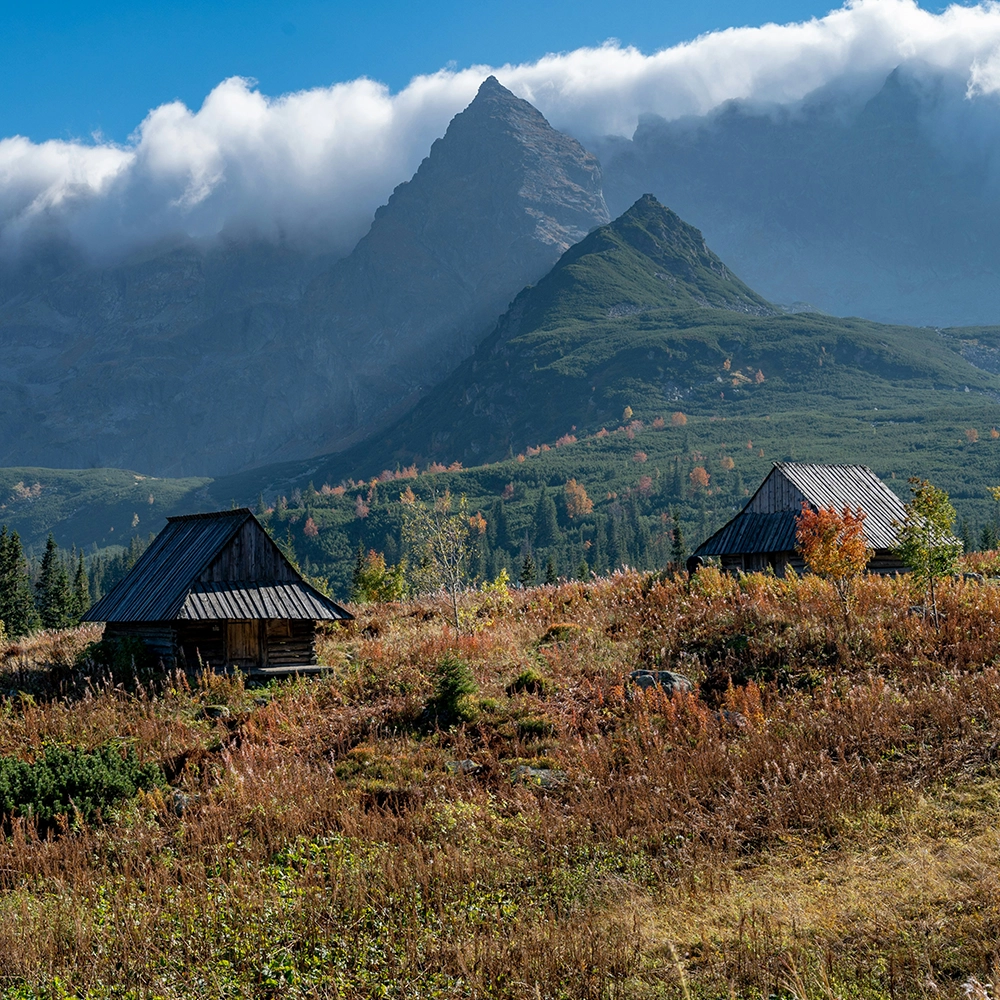
Hut-hopping (hut-to-hut hiking): Trek from one primitive lodge to another over several days, with no electricity, plumbing, or signal along the way. Try the Ice Age Trail in Wisconsin, the W Trek in Chile's Torres del Paine, or the Mount Meru Trek in Tanzania.
Lost Coast Trail, California: A 25-mile stretch of California's most remote coastline, part of the best road trips in the U.S. You'll likely go long stretches without seeing another person.
Yosemite Digital Detox Trek: A guided, no-signal hike past Half Dome and El Capitan for travelers who want expert support without sacrificing the disconnect.
If going fully off-grid feels like too much, a digital detox is the more approachable option. Start by setting your own boundaries: no phone at all, phone for photos only, or just off social media. There's no single right answer. You decide what level of disconnection actually feels restorative to you.
Doing it with kids: Plan activities suited to your kids' interests (hikes, bike rides, board games), carve out solitary time for yourself when you can tag-team childcare, and let conversation happen naturally instead of forcing it. Get more tech-free tips for traveling with kids.
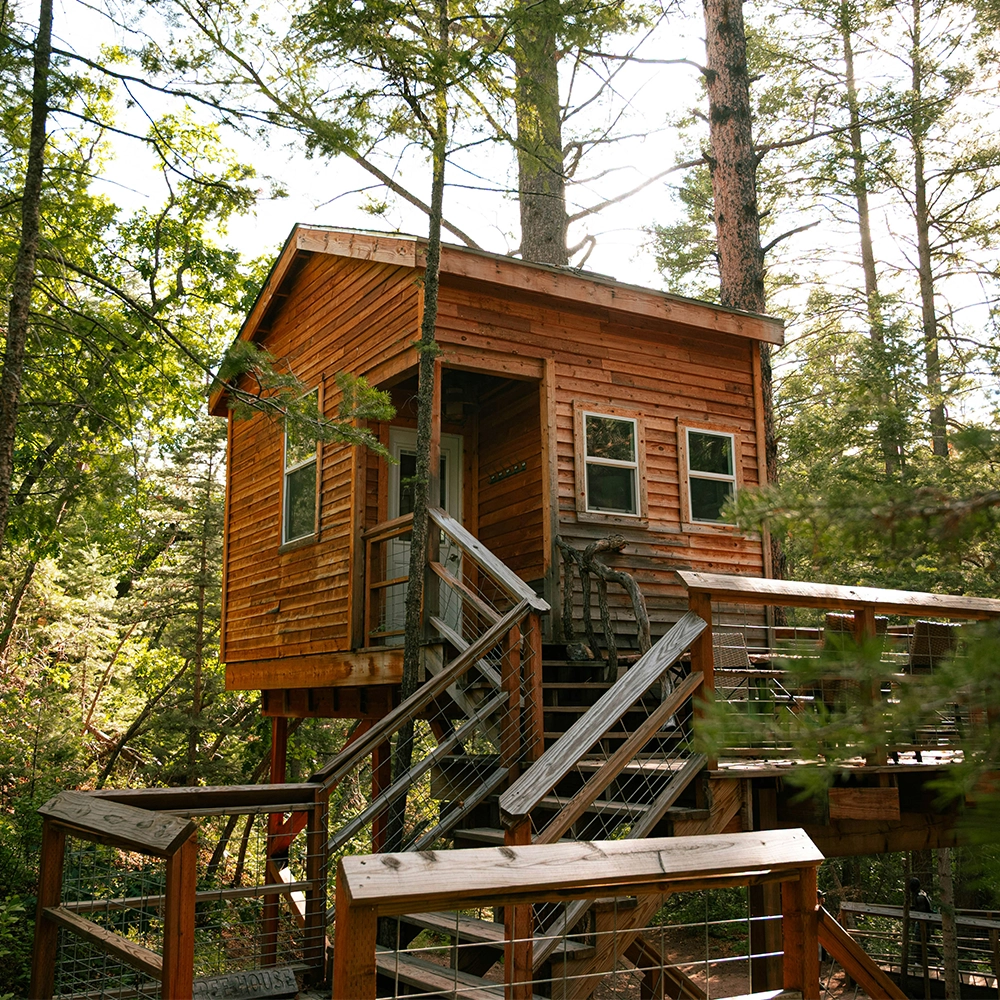
Treehouse or resort stays: Properties like Bolt Farm Treehouse in Tennessee offer a glamping-meets-luxury experience with suspension bridges and mountain views. One thing worth knowing: many treehouse resorts now build in high-speed Wi-Fi as a standard amenity, marketed toward remote work rather than unplugging — so if a true disconnect matters to you, ask directly about connectivity before you book.
Big Sky, Montana: With about 147,000 square miles and one of the lowest populations in the U.S., Montana has room to spread out. The Nine Quarter Circle Ranch is a working dude ranch with horseback riding and fly fishing that'll take you back a century — before the internet existed at all.
Wellness retreats: Many retreats now build in dedicated digital detox programs alongside yoga, mindfulness, and other practices designed to change your relationship with technology. Our in-depth guide to wellness retreats can help you find the right fit.
African safari: Remote locations, often-basic accommodations, and total immersion in nature make safaris one of the highest-rated digital detox experiences you can book. Research operators carefully, since luxury, activities, and price vary widely.
Part of what makes off-grid and no-internet trips appealing (the remoteness, the distance from cell towers, etc.) is also what makes them riskier if something goes wrong. If you sprain an ankle a few miles into a hut-to-hut hike or come down with altitude sickness partway up Mount Meru, you may be hours from a hospital, not just a signal.
Emergency medical evacuation benefits are designed for situations where the medical care available where you are isn't adequate for your condition. This coverage can help transport you from the treating facility to one that can treat you properly. The more remote your destination, the more that distinction tends to matter, since getting from a small rural clinic to a full-service hospital is a different undertaking than transferring between two city hospitals. Coverage amounts vary by plan, so it's worth thinking through how far off the grid you're actually headed before you choose your limits.
Not every plan handles adventure activities the same way — some may have limitations or exclusions depending on the activity. Before you book that hut-to-hut trek or a Mount Meru climb, it's worth confirming how your plan treats what you're actually planning to do. A licensed agent can walk you through the details and help you find a plan that fits your trip.
Seven Corners Assist is available 24/7 if you need help while traveling, with interpreters available in more than 130 languages. This is helpful if your detox happens to be somewhere you don't speak the language and a crisis comes up.
It’s also important when unplugging to print and save copies of your travel insurance information before you go. Seven Corners offers printable ID cards immediately after purchase, so you can store them in your wallet for easy access anywhere.
Are you pre-paying for a resort stay, treehouse, or guided excursion? Trip Protection is usually the stronger starting point. It can help you recover trip costs if you need to cancel for a covered reason, plus offers trip delay, baggage delay, and more.
Are you traveling internationally and don't have prepaid trip costs to protect? A Travel Medical plan may fit better. If your itinerary includes specific adventure activities, ask our licensed agents about adding optional Adventure Activities coverage. Without it, injuries from activities like these may not be covered.
As always, the fastest way to land on the right plan is to talk to one of our licensed agents . They can walk through your specific itinerary and flag anything (like activity exclusions or evacuation limits) that's easy to miss on your own.
However you choose to unplug, the right travel insurance ensures you can actually breathe easy while you're out there. That's the whole point of a technology-free vacation: fewer notifications pulling at your attention, more room for mental clarity, and the peace of mind that if something does go wrong, you're covered.
Talk to a licensed agent or get a quote before you go, so can fully unplug when your trip arrives. Happy detox-ing!
Did you enjoy this blog? Get more articles like it before anyone else when you subscribe to our monthly newsletter, The Wayfinder.
This website and various social media updates provided by Seven Corners contain content, information, articles, videos, and links to websites created by third parties. Seven Corners, its owners, and its employees neither endorse nor are responsible for the accuracy, timeliness, or reliability of any third-party information, statements, opinions, or advice and are not liable for any loss, harm, or damage caused by your reliance upon them. Use of such information or the linked websites is entirely at your risk. Concerns regarding this third-party content should be directed to the third party. Seek professional advice, as appropriate, regarding your use of such information and websites.
Because the information on this website and in Seven Corners’ blogs and other social media is written and compiled using knowledge and information available at a certain point in time, it may become outdated. For that reason, information, events, legal requirements, and product changes (including benefits, limitations, exclusions, and services) may not be up-to-date, complete, or accurate at the point in time it is being read. Again, use of such information is at your risk.